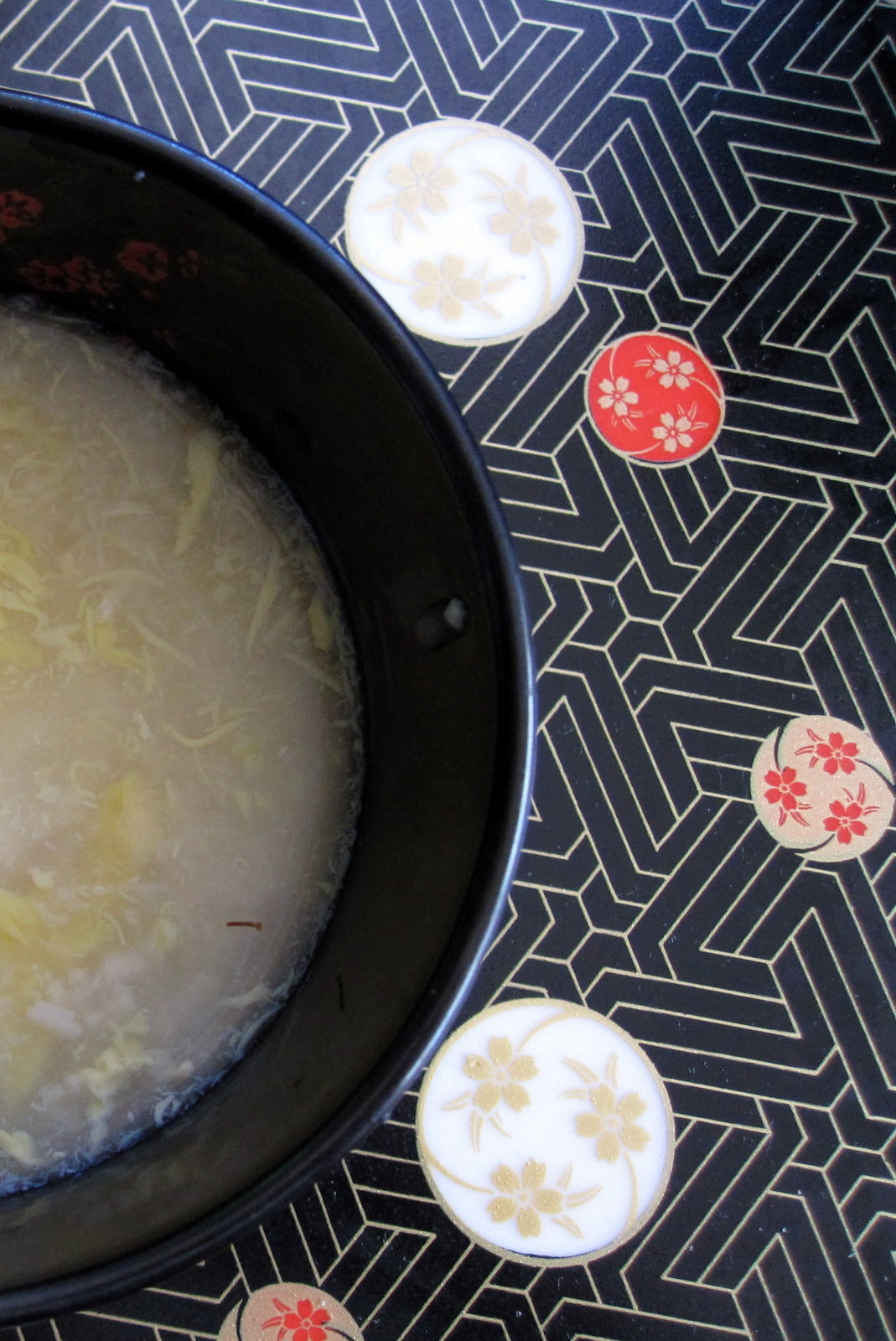
It was on this day, the eight day of the Chinese New Year that my family had to gather at Granpa and Grandma's home where the Celebration of the Hokkien New Year will be. It was celebrated with more grandeur compared to the 1st day, this was because our Hokkiens ancestors were in hiding in the sugarcane plantation from the bandits and only had the chance to celebrate the New Year on the 9th day. The good had triumphed over evil and the belief was and still is, that the Jade Emperor (Thee kong – translated as “king of the heavens”) protected our Hokkien ancestors from being caught, which is why we offer thanksgiving prayers to him..
Continue to read and for recipe HERE
Showing posts with label Chinese. Show all posts
Wednesday, February 9, 2011
Wednesday, February 2, 2011
Ong Lai Rabbit/Rabbit Pineapple Tarts
Would like to share some of my Pineapple Tarts which i made this year. Since this is the year of the Rabbit, i tried making some in the shape of the Rabbit and it was quite fun to make especially i had Renee helping me. She was a great help and i should say, we were a great team. When i had the Rabbit's body ready, which was a round piece of dough wrapped with pineapple jam, she had the Rabbit's tail, ears and nose ready for me. Alexander, helped too, he did the egg white wash so that i could adhere the tail, ears and nose. The Rabbits looked great and cute, before they were baked but when they came out of the oven, they had attitute. Some lost their tails and noses and Renee blamed Alexander for doing a shoddy job in glazing. Well, these tarts are handmade and can we expect factory-machine made tarts?
I tried making some other shapes like gold ingots, which i gave up after making a few, cos it took up too much time and it was laborious. Besides it did not turn out so pretty. The pineapple shape was good, easy and fast. The next time around i would use more dough rather than more jam, then they would be better looking.
GONG XI FA CAI
Continue HERE
A Prosperous and A Happy Chinese New Year
I know by now most of my relatives and friends in the otherside of the world, should have enjoyed their Reunion Dinner and would be having fun karaoke-ing and waiting for The God of Weath to arrive. Me, still snuggling under the blankets and dreaming of a luxious meal. Anyway, i am awake and trying to post this so that i can wish all of you out there who will be celebrating the Chinese New Year - A Prosperous and Happy Chinese New Year.
Thursday, January 27, 2011
Fragrant Hup Toh SouI/Walnut Cookie
I have made Hup Tou Sou several times and i hope you all are not fed-up of seeing another walnut cookie. Luckily nuts are beneficial to our health as i am going nut looking at nuts everyday. The first recipe i made last year was of a crunchy texture and these Walnut Cookies were delicious but they were flat. Then this recipe had the crunch and melted in the mouth but lack the nuttiness.
So, the fourth recipe came into being and it is HERE
Thursday, January 20, 2011
Dongpo Rou
Why is this dish called ‘Dongpo Rou’. There are many fables and this Dongpo Rou Story is the most popular of all.
Continue for recipe HERE
Tuesday, January 18, 2011
Hup Toh Sou II/Chinese Walnut Cookie
I am always concern about nutrition and want to find easy ways to be healthier, one of the best things you could do is eat nuts because they're loaded with vitamins and minerals. Nuts are super healthy! My favorite of all the nuts is walnuts and not only do they taste great, they are a rich source of heart-healthy monounsaturated fats and an excellent source of those hard to find omega-3 fatty acids. Like most nuts, you can snack or add to your favorite salad, vegetable dish, fruit, dessert or bakings. You can never go wrong when you pair Walnuts with your baking and Walnut cookies is one of them.
The recipe is HERE
Saturday, January 8, 2011
Squirrel Fish (松鼠鱖魚)
The most important date in the lunar calendar is Chinese New Year - it’s a traditional time for feasting with family and friends that dates back thousands of years
Fish has symbolic significance to the chinese because the Chinese word for fish, yu, sounds like the word for riches or abundance, and it is believed that eating fish will help your wishes come true in the year to come. So, by cooking this fish dish - The Squirrel Fish" and serving it on Chinese New Year's Eve Dinner. I hope that all your wishes will come true in the Rabbit Year. The fish is never eaten completely since leaving some behind hints at the family's ability to 'always have enough'.
The recipe is HERE
Monday, December 6, 2010
Super Soft Pau
When my friend. Lena wanted to make pau, i suggested that she try out this Tien Tsin Pau recipe. She liked the pau skin alot and has been suggesting to friends to try it.
The recipe is HERE
Sunday, November 21, 2010
Hakka Pestle Tea Rice/Ham Cha Farn/Looi Cha Farn
This dish is from the Chinese migratory Hakka dialect group and is several hundred years old. The Hakkas, especially this sub-group called Ho Poh , have a unique tradition regarding this dish as medicinal, a detox meal which is also reputed to boost metabolism and servet his supersalad, with 7 types of vegetables, on the seventh day of Chinese New Year just like the cantonese tradition of serving Yee Sang which most chinese are accustomed to.
Ham Cha Farn(salty tea), Looi Cha Farn(ground tea) or Thunder Rice, has a lot of variations. The tea used ,be it green or black signifies and determine the flavour and taste of the dish. It is sometimes kept simple by grinding the tea, add salt to taste and hot boiling water, to make a broth. However others may add roasted peanuts, sesame seeds or both together with the tea leaves and herbs like mint, basil, perilla and saw coriander, in the grinding process to make into an almost medicinal tea broth. This alters the flavour of the dish significantly. The taste however, is not for everyone. Some find it enervating and refreshing, others do not like the bitter or strong herbal notes.
The essential ingredients are Farn(Cooked Rice), which can be puffed rice (mee chang) or rice grains fried with garlic and a little oil, prior to cooking and three of the seven ingredients which will determine a good Ham Cha Farn/Looi Cha Farn are dried shrimps, choy poh(preserved radish) and firm tofu. These three are to be sauted and seasoned with sugar and white pepper..
To complement the tea and rice, a wide variety of carefully selected vegetables (including blanched long beans, cabbage, carrots, four-angled beans, chye sim, celery, are used. It should be noted that meat and fish is seldom added to this diah as the the main idea is to eat lots of vegetables, making this dish cheap, hearty , nutritious and a fibre-rich.
Continue for recipe HERE
Ham Cha Farn(salty tea), Looi Cha Farn(ground tea) or Thunder Rice, has a lot of variations. The tea used ,be it green or black signifies and determine the flavour and taste of the dish. It is sometimes kept simple by grinding the tea, add salt to taste and hot boiling water, to make a broth. However others may add roasted peanuts, sesame seeds or both together with the tea leaves and herbs like mint, basil, perilla and saw coriander, in the grinding process to make into an almost medicinal tea broth. This alters the flavour of the dish significantly. The taste however, is not for everyone. Some find it enervating and refreshing, others do not like the bitter or strong herbal notes.
The essential ingredients are Farn(Cooked Rice), which can be puffed rice (mee chang) or rice grains fried with garlic and a little oil, prior to cooking and three of the seven ingredients which will determine a good Ham Cha Farn/Looi Cha Farn are dried shrimps, choy poh(preserved radish) and firm tofu. These three are to be sauted and seasoned with sugar and white pepper..
To complement the tea and rice, a wide variety of carefully selected vegetables (including blanched long beans, cabbage, carrots, four-angled beans, chye sim, celery, are used. It should be noted that meat and fish is seldom added to this diah as the the main idea is to eat lots of vegetables, making this dish cheap, hearty , nutritious and a fibre-rich.
Continue for recipe HERE
Tuesday, November 2, 2010
Lo Sam Chung Yoke/Red Cooked Belly Pork
I have many a time been told that 'lo soi' means 'old water' but am not able to argue that it is not so, you know why? if you can't read or write chinese, i don't stand a chance in this debate.
Tell me if i am wrong, to me - 'lo' means to steep it with meat/eggs/tofu in this very savoury and aromatic liquid, which is called 'The Mother/Master Sauce'. This way of cooking is also considered to be a kind of "red-cooking" method. I like to refer this sauce as 'The Mother Sauce' rather than 'The Master Sauce' - cos????? I would like to credit all Mothers who will be the one, diligently cooking in any home kitchen from dawn to dusk
Recipe can be found HERE
Friday, October 22, 2010
Rice wine Residue Sweet Soup
Bittersweet October. The mellow, messy, leaf-kicking, perfect pause between the opposing miseries of summer and winter. ~Carol Bishop Hipps
Looking out and this is what i can see - my backyard.
Yes, it is 'Bittersweet October" , today and the week to come is promised chill in the air as the changing of the leaves start to fall, in fact they have started to fall awhile back. Nothing takes away the chill or tastes better than a bowl of warm soup.
Continue for recipe HERE
Monday, October 18, 2010
Step-by-step Mui Choy Kau Yoke
A task which usually take 5 minutes was not so and it was so frustrating. Anyway, how difficult or time-consuming it was, i made a promise to post the step-by step on How to make Mui Choy Kau Yoke and .........
the promise is kept
The step-by-step can be found HERE
Thursday, October 14, 2010
Mui Choy Kau Yoke
This is a very popular dish in Asia which appears on the dinning table during any asian festivals. It is very deliciously sinful, mouth watering.
Taste the intense flavour and the fats of the pork melting in your mouth. . The preserved Mui Choy (dried salted veggie but sweet) has a nice balance which is light tasting and goes well with the meat soft texture. This dish might not be so acceptable by healthy freaks who shy away from most fat but in this case the fat actually gets soaked up by the 'mui choy' and become very 'mui', giving glory to it's name. "Mui" in cantonese means 'soft' .
Continue for recipe HERE
Taste the intense flavour and the fats of the pork melting in your mouth. . The preserved Mui Choy (dried salted veggie but sweet) has a nice balance which is light tasting and goes well with the meat soft texture. This dish might not be so acceptable by healthy freaks who shy away from most fat but in this case the fat actually gets soaked up by the 'mui choy' and become very 'mui', giving glory to it's name. "Mui" in cantonese means 'soft' .
Continue for recipe HERE
Friday, September 24, 2010
Chicken With Red Wine Residue
I have always wondered why dishes cooked with Red Wine Residue are so craved for. Now that i have cooked with it, i can understand the craving. I cooked this chicken dish with the red wine residue from my homebrewing, added wood ear fungus for texture and it was so delicious. The depth of flavor in the sauce was so robust and made this dish so acceptable that the plate was licked clean and i did not have to clean the plate.
Ingredients:
2 lbs chicken - cut into bite size
1 - 2 ozs wood ear fungus - soak, woody parts removed and cut into bite size
3 heaped tbsp red wine residue(refer to Homebrewing - Glutinous Rice Wine
2 shallots - chopped
2 cloves garlic - chopped
1 tbsp chopped ginger
1 tbsp soya sauce
1/2 cup chicken stock
2 tbsp oil
Pepper and salt to taste
Sesame oil
Coriander or Spring onions as garnishings
Method:
Sprinkle salt and pepper to the chicken pieces.
Heat wok and add in 1/2 tbsp oil, just enough to coat the wok. Brown the chicken pieces by batches, do not crowd the wok. Remove and set aside.
Add in the rest of the oil and saute the chopped shallots, garlic and ginger until fragrant.
Add in the red wine residue and continue to saute until aromatic.
Add in the browned chicken pieces, wood ear fungus and chicken stock. Bring to the boil, add in the soya sauce and reduce heat to simmer. Cover the wok and simmer until the chicken pieces are cooked through.
Remove wok cover and cook down the sauce.
Adjust taste with salt and pepper.
Sprinkle with sesame oil and garnish with coriander and/or spring onions.
Enjoy
Serves
Saturday, September 11, 2010
Chicken And Wood Ear Fungus Wine Soup
This dish is a confinement dish. The chinese, especially the cantonese would cook this dish as a post-natal diet for the whole month of confinement after childbirth. During pregnancy, a woman may feel bloated and feel like there is a lot of gas in the tummy. This is due to the softening of our body ligaments and etc to make way for the baby’s growth. To expel those gas from the stomach, one soothing food we can take is ginger but after childbirth, gas is bloating in abundance, ginger and more ginger in every dish will help, as food prepared with ginger develop a tendency to move outward. The chinese do not encourage fresh fruits and vegetables, so ginger is the only source of fiber. After delivery, the body is susceptible to 'cold' and must be kept warm, therefore wine is the best as it moves upwards and pushes up the energy. Wood Ear Fungus helps to prevent various forms of bleeding and prevents blood clotting All these practices are considered efficacious for curing the body's imbalance but especially as a preventive therapy against ailments in later years. I, the renegade must remain cognizant and respectful of the indigenous beliefs and practices linking the events of reproduction and the health status of women.
Ingredients and Method
Recipe is the same as Chicken With Stone's Ginger Wine except peanuts are omitted, vegetable oil and glutinous rice wine were used instead of sesame oil and Stone's Ginger Wine. This dish was cooked for my friends to enjoy the Home-brewed Glutinous Rice Wine.
Serves
Ingredients and Method
Recipe is the same as Chicken With Stone's Ginger Wine except peanuts are omitted, vegetable oil and glutinous rice wine were used instead of sesame oil and Stone's Ginger Wine. This dish was cooked for my friends to enjoy the Home-brewed Glutinous Rice Wine.
Tuesday, September 7, 2010
How To Make Chicken Rolls
As promised, here is how to prepare the chicken rolls for Wine Steeped Chicken Rolls. The wine used to steeped is Japanese Plum Gekkaikan and the taste is just as good as The Home-brewed Glutinous Rice Wine
Method:
How to serve refer to Wine Steeped Chicken Rolls
Serves
Method:
How to serve refer to Wine Steeped Chicken Rolls
Serves
Subscribe to:
Posts (Atom)